2026-10-13 ·
Refrigerator Making Loud Noises: What You Should Know
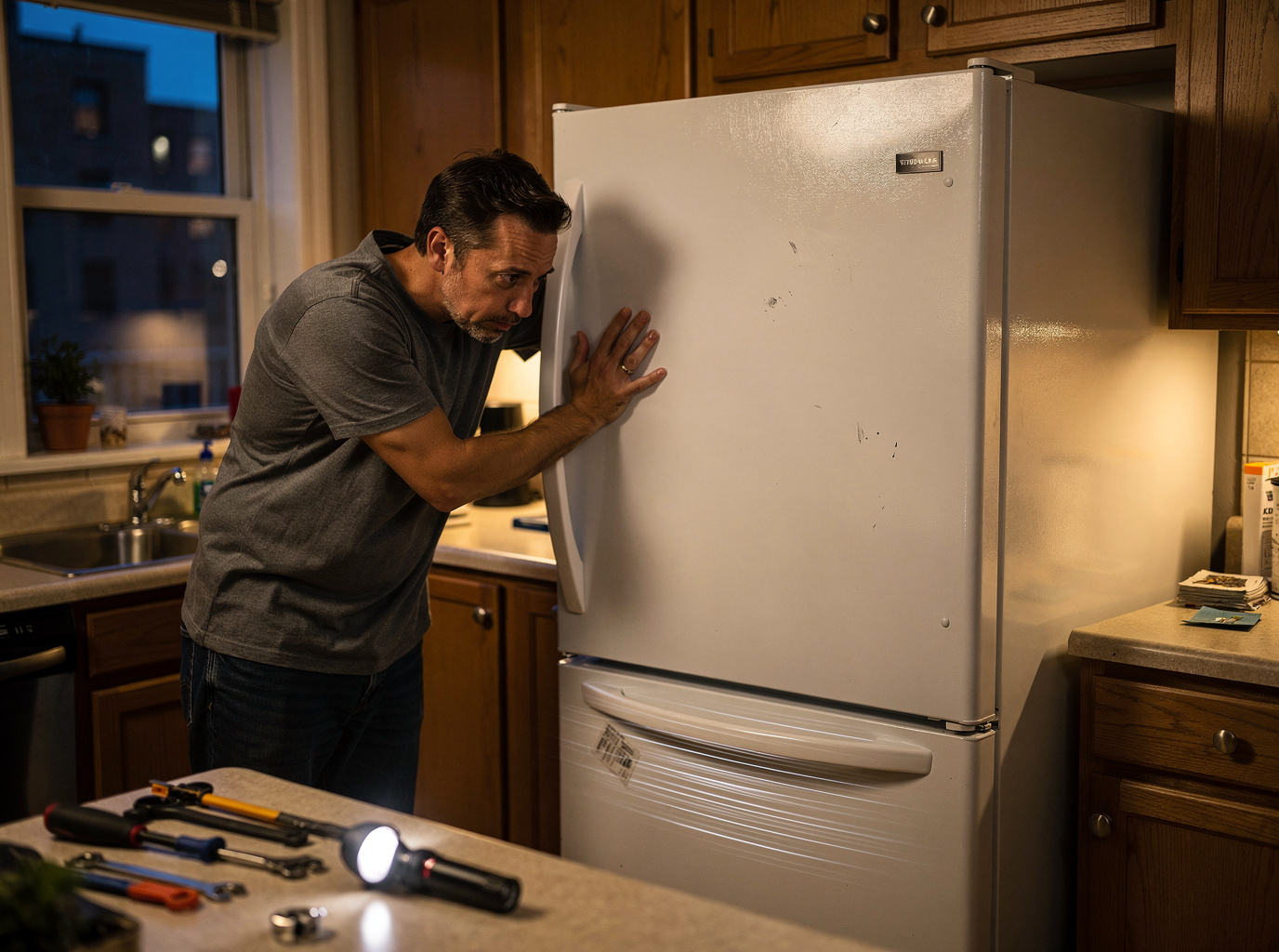
A refrigerator making loud noises is usually not an emergency, but it is rarely something to ignore for long. Most of the time, the cause is a normal part of the cooling cycle, such as a fan running or refrigerant moving through the lines. The sounds that point to real trouble tend to be new, grinding, or getting louder over several weeks. If the noise is persistent and sounds mechanical, expect a diagnostic visit and a repair typically in the $150–$400 range, depending on the part.
Normal Sounds Versus Warning Signs
Refrigerators are designed to make noise. The compressor hums when it runs, the evaporator fan whirs inside the freezer, and the water valve clicks when the ice maker refills. Gurgling is common after the compressor shuts off, because refrigerant is moving through the coils. These sounds are usually steady, low in volume, and repeat on a predictable schedule. They do not change much from week to week.
Warning signs are different. A grinding or screeching noise often points to a worn fan bearing or motor. Repeated loud banging can mean a loose evaporator fan blade hitting debris, or a compressor struggling to start. A rapid clicking that never settles, or a buzz that continues after the door is closed, deserves attention. If the noise is new and you can pinpoint it to one component, write down when it happens so the technician has useful clues.
Common Causes of Refrigerator Noise
Most loud refrigerator problems come from a short list of components. Knowing them helps you describe the problem accurately when you call for service.
- Evaporator fan: Located in the freezer, it can rattle when ice or frost builds up on the blades.
- Condenser fan: Found near the back or bottom, it may vibrate if debris collects around it.
- Compressor: A failing compressor can produce a heavy hum, knocking, or a clicking start-up that repeats.
- Uneven leveling: A unit that is not level will rattle and shake, especially on hard kitchen floors.
- Water inlet valve: A loud chatter during ice production usually indicates mineral buildup or low water pressure.
- Cabinet contact: Items shifting on shelves or a condenser line touching the wall can mimic a mechanical fault.
Start with the simple checks. Level the unit, clear the area behind it, and remove anything rubbing against the back panel. If the sound continues, the cause is likely internal and needs a technician with the right tools.
How Chicago Conditions Affect Refrigerator Noise
Chicago's humid continental climate changes how refrigerators behave. Summers in neighborhoods like Logan Square, Wicker Park, and Pilsen bring heat and humidity that force compressors and condenser fans to work longer. Units tucked into tight galley kitchens in older two-flats often have poor airflow, which makes the compressor run hotter and louder. Once winter temperatures drop, unheated back porches and garages can make a refrigerator in an attached space struggle to regulate itself, sometimes producing odd cycling noises.
The older housing stock matters too. Many Lincoln Park, Lakeview, and Bridgeport buildings have uneven original floors, so a fridge that was level when delivered may shift over time. Vibration then gets amplified against hardwood or thin subfloors. Units placed near radiators or in apartments near the lakefront may also see humidity swings that affect frost buildup, which in turn can cause evaporator fan rattling. A technician familiar with these conditions will check airflow, leveling, and room temperature before replacing parts.
When to Call a Technician and What Repairs Cost
Call a professional when the noise is grinding, screeching, or a loud knocking that repeats, or if the unit no longer holds temperature. A rattle that disappears after leveling is a home fix. A noise that persists after you have cleared debris and checked the placement usually needs a closer look. Waiting too long can turn a fan problem into a compressor failure, which is far more expensive.
Typical repair costs in the Chicago area fall into predictable ranges:
- Leveling or cleaning: $0–$100, often handled during a service visit
- Evaporator or condenser fan motor: $150–$400
- Water inlet valve: $150–$350
- Compressor replacement: $400–$1,500 or more, depending on model
Refrigerators commonly last 10–15 years. If your unit is near the end of that range and needs a major repair, compare the cost against a replacement. For many older units, a fan motor fix is worth it, while a failing compressor on an aging model often is not. If you want a clear answer, ask for an upfront quote before any work begins. Our team is available around the clock at 150 E Huron St, Chicago, IL 60611, USA, and we can see you at home in neighborhoods across the city, including Lincoln Park.
Next Steps for a Quieter Kitchen
If your refrigerator is making loud noises, start by identifying the type of sound and when it happens. Check leveling, clear the condenser area, and confirm nothing is rubbing against the cabinet. These steps resolve many complaints in minutes. If the noise continues, especially if it is grinding or getting louder, schedule a diagnostic before the problem spreads to other components. Early attention usually means a smaller bill.
If you are not sure whether the problem is worth a service call, our refrigerator repair team can help you weigh the options. Freezers that are noisy for the same reasons are covered in our freezer repair guide. For a broader look at when an appliance has crossed from annoyance into real danger, read our article on top signs your washing machine needs professional repair, since the same warning patterns often apply across major appliances. A quiet refrigerator is a sign that everything inside is working as it should.